
Stop appliance refreshes — embrace policy-driven storage

Key takeaways for IT leaders
I’ve run budget reviews and refresh schedules long enough to know the pattern: every three to five years the business asks for more performance and capacity, procurement signs another capex check for a boxed array (think Pure Storage m50 or its peers), and IT inherits a heavier maintenance profile and tighter margins. For mid-market enterprises and MSPs under margin pressure, that cycle magnifies costs, increases vendor lock-in, and exposes gaps in compliance and lifecycle control.
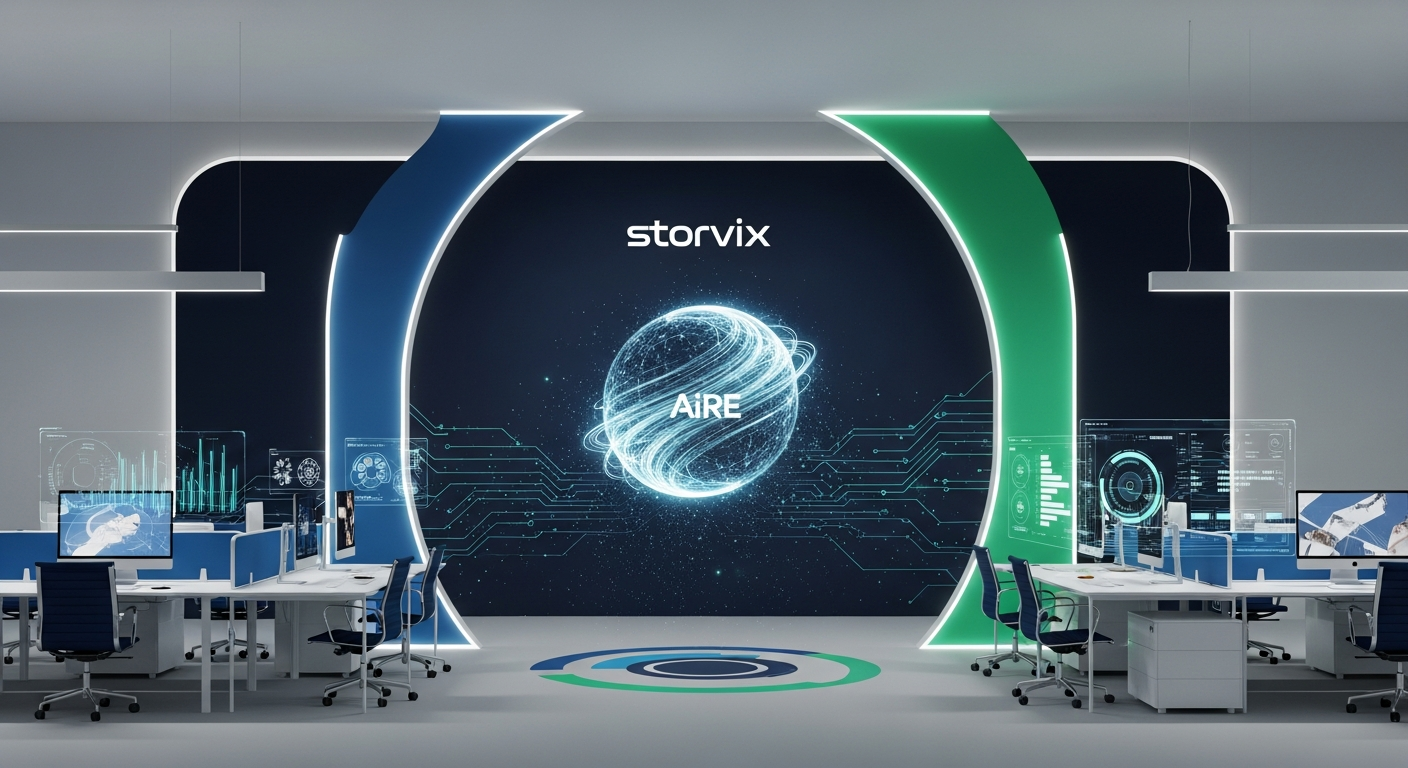
Traditional closed-box approaches like buying another Pure Storage m50 still solve narrow problems—performance and density—but they don’t address the full operational lifecycle. The more important shift is to intelligent data platforms that separate software intelligence from hardware, deliver predictable economics, and give operations the policy, visibility, and multi-tenant controls needed to reduce risk. Platforms such as STORViX are built for that shift: they treat storage as a managed, policy-driven service rather than a series of refresh events.
Do you have more questions regarding this topic?
Fill in the form, and we will try to help solving it.


