
Smart Data Management: Control Cloud Costs, Lifecycle, and Compliance in Azure

Key takeaways for IT leaders
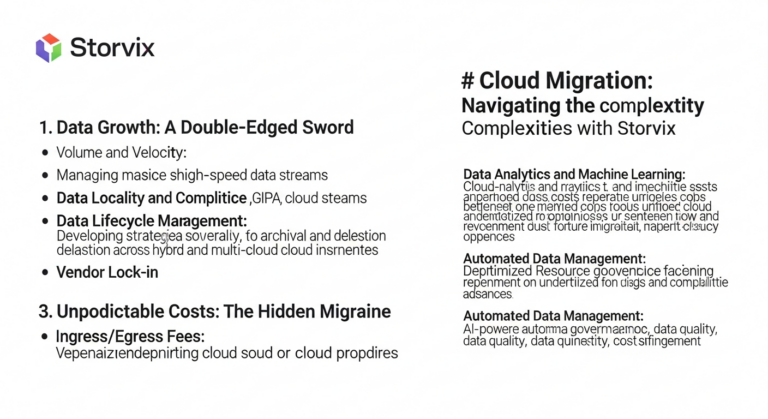
As IT leaders and MSP owners know, the pitch to “just move it to Azure” ignores two facts: data volumes keep growing and cloud economics are complex. The real operational problem isn’t a single server or VM — it’s uncontrolled data lifecycle, unpredictable egress/read charges, and the ongoing cost of managing multiple storage tiers and compliance controls. Many teams who attempted a wholesale lift‑and‑shift discovered higher monthly bills, fragmented control over backups and retention, and painful restore testing when the worst happened.
Traditional storage thinking — buy capacity, snapshot everything, refresh on schedule — fails in the cloud because it treats the cloud as another backend rather than an operational model change. The strategic shift that actually works is to adopt an intelligent data platform that sits between apps and Azure: one that enforces lifecycle policies, controls egress and I/O behavior, maintains a consistent namespace across on‑prem and cloud, and provides auditability for compliance. In practice, platforms like STORViX let you migrate in phases, shrink your usable footprint with dedupe/tiering, preserve control over keys and retention, and make cloud spend predictable rather than speculative.
Do you have more questions regarding this topic?
Fill in the form, and we will try to help solving it.


