
Kubernetes Data Protection: Unified Backup for PVs, Metadata, and Application Consistency

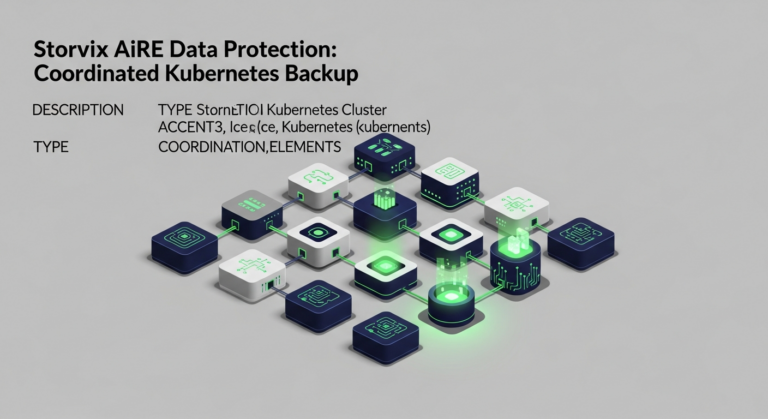
Key takeaways for IT leaders
Kubernetes changes the unit of recovery. It splits application state across PersistentVolumes, cluster metadata (namespaces, Secrets, CRDs, RBAC), and operator-managed resources. The operational problem I see every week: teams only back the volumes or only export YAML, but not both in a coordinated, application-consistent way. The result is long, error-prone restores, failed compliance audits, and higher outage costs—exactly the pressures mid-market IT and MSPs are trying to avoid.
Traditional storage-first approaches fail here. Array snapshots or VM backups treat Kubernetes workloads like monolithic servers—they miss control-plane state, dynamic volume provisioning via CSI, and the CRD/operator semantics that many cloud-native apps depend on. The strategic response is not another siloed backup job but an intelligent data platform that understands Kubernetes as an integrated lifecycle problem: capture PV data, cluster objects, and app-consistency; apply policy-driven retention and tiering; and give operators predictable RTO/RPO, regulatory controls, and cost transparency. That’s where a platform like STORViX belongs in the stack—not a magic bullet, but a practical control plane that reduces risk and total cost over the lifecycle.
Do you have more questions regarding this topic?
Fill in the form, and we will try to help solving it.


