
GCP Pricing Chaos: Control Cloud Costs & Predictability with Intelligent Data Platforms

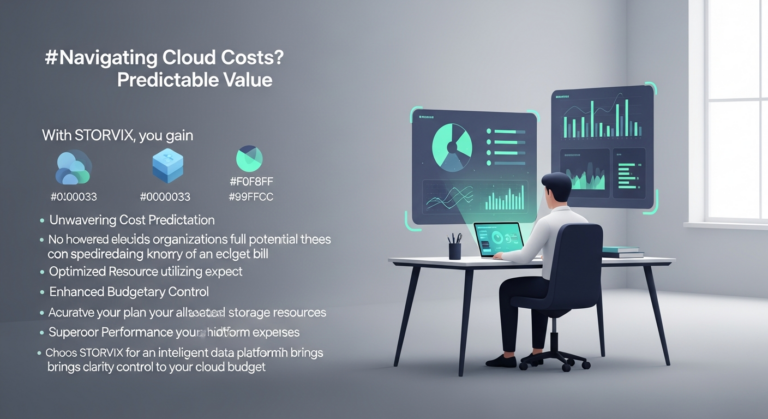
Key takeaways for IT leaders
Across mid-market enterprises and MSP portfolios the immediate problem with GCP’s pricing model isn’t a single rate — it’s unpredictability. Storage is no longer just $/GB on a spreadsheet: region choices, multi-region vs. regional buckets, storage class transition rules, minimum retention windows, per-operation charges, cross-region egress and snapshot costs all conspire to turn a forecastable infrastructure line item into a volatile, margin-eating risk. For MSPs re-billing cloud to customers or IT teams trying to budget multi-year projects, that volatility translates directly into margin compression and surprise invoices.
Traditional responses — lift-and-shift to cloud storage, simplistic backup-to-cloud, rigid on-prem refresh cycles — fail because they treat cloud as if it were just another disk. They miss the policy and lifecycle levers that actually control cost and risk in GCP: placement, compression/dedupe, access patterns, retention and restore economics. The strategic shift is toward intelligent data platforms like STORViX that sit between applications and cloud storage to enforce lifecycle, reduce raw bytes sent to the cloud, control egress and restore paths, and make billing predictable. Practically speaking, this means operational controls that reduce stored GB, limit high-cost restores, and give MSPs and IT directors the ability to convert a chaotic bill into a predictable, auditable service line.
Do you have more questions regarding this topic?
Fill in the form, and we will try to help solving it.


