
GCP Data Management: Control Costs, Reduce Risk, and Optimize Lifecycle with STORViX

What decision-makers should know
Operational teams are under pressure: budgets are tightening, hardware refresh cycles are accelerating, and compliance obligations keep multiplying. Many mid-market enterprises and MSPs are reacting by moving data and workloads to GCP without a plan for long-term lifecycle, cost control, or risk reduction. The result is unpredictable OpEx, surprise egress fees, and a fractured architecture that increases operational overhead rather than reducing it.
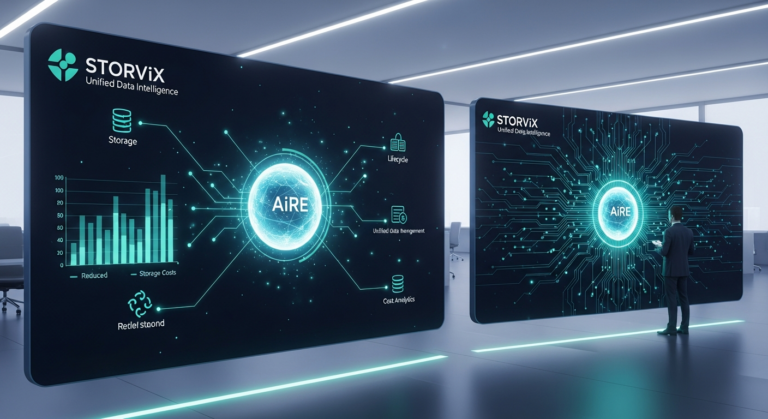
Traditional enterprise storage approaches—big on-prem arrays with lengthy refresh cycles or point solutions bolted onto cloud storage—fail because they treat cloud as a place to dump capacity rather than a system to manage data lifecycle, governance, and cost. The strategic shift that makes sense is toward intelligent data platforms like STORViX that integrate with GCP: they give you controlled access patterns, automated tiering to GCP storage classes, immutable retention for compliance, and local caching to minimize egress and performance penalties. For IT leaders and MSP owners, that means predictable economics, fewer surprise costs, and an operational model built around lifecycle, risk, and control rather than vendor-driven refresh timelines.
Do you have more questions regarding this topic?
Fill in the form, and we will try to help solving it.


